
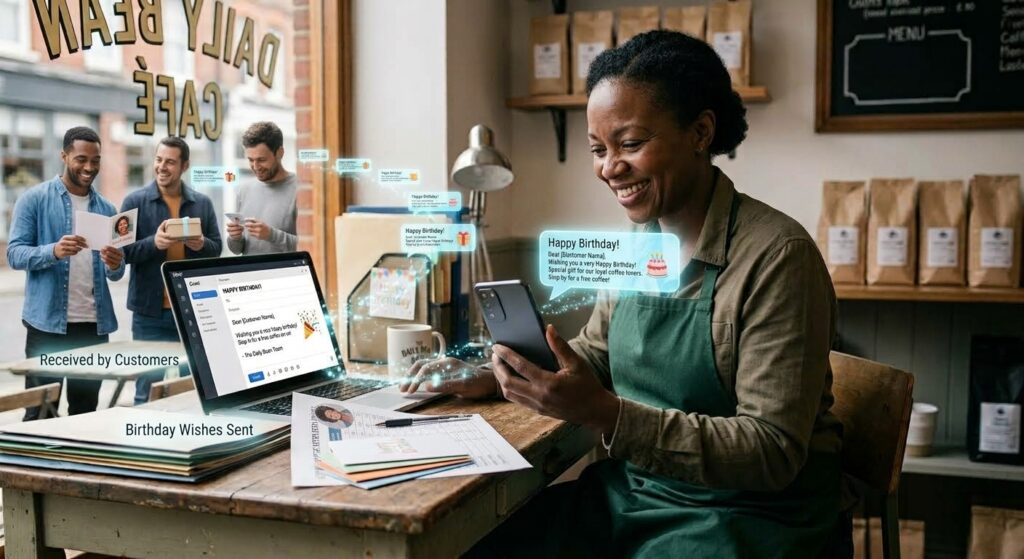
The best way to follow up with customers without being annoying is to make every follow-up useful, relevant, well-timed and easy to respond to. Customers should feel that you are helping them, not bugging them.
A good follow-up reminds customers that you appreciate their patronage and that your service is available when they need you. A poor follow-up can feel repetitive, generic, intrusive or focused only on making another sale.
Why is customer follow-up important?
The relationship with a customer should not end immediately after a purchase or service. A thoughtful follow-up can show customers that the business appreciates them, remembers them, cares about their experience and is available when they need help or the service again.
Follow-up can also uncover problems customers did not mention during their first interaction. A customer may have left quietly even though something about the experience disappointed them.
When should you follow up with a customer?
There is no single follow-up time that works for every business. The right moment depends on what the customer bought, the type of service provided and when the customer is likely to need another interaction. Research on customer retention and follow-up also emphasizes staying engaged while avoiding communication that becomes excessive or annoying.
How often should you follow up with customers?
Follow up enough to remain relevant, but not so frequently that customers feel pressured.
A useful rule is to give every message a purpose. If the only reason for contacting a customer is to ask them to buy again, repeated messages can quickly become irritating. If you are providing a useful reminder, checking on their experience, answering a question, or sharing something genuinely relevant, the interaction feels different.
What should you say when following up with a customer?
Keep the message simple and focused on the customer. Avoid long messages that make the customer search for the reason you contacted them.
A useful follow-up can check on the customer’s experience, provide useful information, remind them about something relevant, or make their next step easier.
The message should also make it easy for the customer to respond. Instead of creating pressure, give them a clear and simple option for what they can do next.
How do you follow up without sounding like you are selling?
Change the purpose of the conversation from “How can I make another sale?” to “How can I continue helping this customer?”
After a service, a business could check whether everything went well. If a customer previously showed interest in a particular service, the business could notify them when something relevant becomes available. If a customer is due for another appointment, a reminder can be useful.
The difference is relevance. Customers are more likely to appreciate communication when it relates to something they actually need.
What are the signs that you are following up too much?
Customers may stop responding, unsubscribe from messages, ignore communication, or begin seeing the business as intrusive.
Another warning sign is when customers receive messages that have nothing to do with their previous interaction or current needs.
The answer is not necessarily to stop following up altogether. It is to improve the quality, timing, and relevance of the communication.
How can you personalize customer follow-up?
Personalization starts with remembering the customer’s relationship with your business. That could include what they purchased, the service they received, when they last visited, what they were interested in, or whether they previously raised an issue. similarly highlights the importance of understanding customer needs and acting on feedback to strengthen relationships.
What should you do when a customer stops responding?
Do not keep sending the same message repeatedly. Give the customer space and consider whether there is a better reason to contact them later.
A customer who does not respond today may still return in the future. The goal is to leave the relationship open rather than turning every non-response into a reason for more messages.
What makes a follow-up feel helpful instead of annoying?
The difference often comes down to four things: relevance, timing, value, and respect.
- Relevance — The message should relate to the customer’s experience or needs.
- Timing — Contact the customer when the information is likely to be useful.
- Value — Give the customer a reason to pay attention beyond simply asking for another purchase.
- Respect — Make it easy for customers to respond, decline, or wait without feeling pressured.
A simple customer follow-up journey
- After the visit — Check whether the customer was satisfied and whether anything needs attention.
- Before the likely next need — Send a useful reminder when the customer may be ready for another service or purchase.
- When activity changes — Pay attention when a previously active customer stops engaging.
- After an issue — Follow up to confirm that the problem was actually resolved.
- When there is something relevant — Share information or an offer that genuinely matches the customer’s needs.
The objective is not to contact customers as often as possible. It is to contact the right customer, at the right time, with the right reason.
How does Dara help businesses follow up with customers?
Dara treats follow-up as part of customer retention rather than a separate sales activity.
Dara can notify businesses when a customer needs follow-up or appears less likely to revisit. It can also support suggested follow-up timing, customer activity monitoring, task reminders and ongoing customer management.
This gives businesses a clearer way to know who may need attention, when they may need it and what action should happen next.
The result is a more intentional follow-up process, one that helps businesses stay connected without overwhelming customers.
The Bottom Line
Good follow-up should make customers feel remembered, not monitored; supported, not pressured; and valued, not targeted.
Businesses often lose customers not because they followed up too much, but because they followed up without understanding what the customer actually needed.
When follow-up is connected to the customer journey, it becomes more than another sales message. It becomes a way to maintain the relationship, identify problems early, encourage repeat visits and give customers a reason to stay connected.
That is where Dara comes in: We experience a business like a customer would, identify friction points, inform business owners about those points, train their staff and ensure the staff are utilizing the training. Dara technology helps service businesses understand their customers, identify who may need attention, and create a more structured customer follow-up process.
Frequently Asked Questions
How often should I follow up with a customer?
It depends on the type of business and the customer’s journey. Follow up when there is a relevant reason rather than simply following a fixed schedule.
How do I follow up without annoying customers?
Keep messages relevant, useful, concise, and appropriately timed. Avoid repeatedly contacting customers when there is no clear value in the message.
What should I say in a customer follow-up message?
Check on their experience, provide useful information, remind them about a relevant next step, or offer help. Keep the message simple and make the next action clear.
Should I follow up with customers who do not respond?
You can follow up again when there is a genuine reason, but avoid repeatedly sending the same message. Give the customer space and consider a more relevant future interaction.
Can follow-up increase customer retention?
Yes. Thoughtful follow-up can help businesses stay connected, identify problems, remind customers about relevant services, and make the next interaction easier.
How does Dara help with customer follow-up?
Dara can notify businesses when customers need follow-up or appear less likely to return, support suggested follow-up timing, and help businesses monitor customer activity and follow-up tasks.
Remember, at Dara, every customer matters 👌🏼