

Why do customers buy once and never come back? Usually, it isn’t because your product or service is bad. Sometimes they forget you. Sometimes coming back takes too much effort. Sometimes a competitor becomes more convenient. And sometimes the business simply goes silent after the transaction.
This matters even more for businesses in Nigeria and across Africa, where relationships, communication and word of mouth drive repeat business.
In this article, you’ll learn the 10 reasons customers don’t come back, and what to do about each one.
| Key takeaways |
| 1. Customers rarely leave after one dramatic moment. They drift away when returning is harder than going elsewhere. 2. A satisfied customer is not the same as a returning customer. Track who comes back, not just who is happy. 3. Follow-up after the transaction is where most repeat business is won or lost. 4. Define what “inactive” means for your business and act before customers go cold. 5. Retention needs a system: customer records, timely follow-ups, reasons to return and a trained team. |
Who is a customer?
Surprisingly, many businesses never define this properly. Across the more than 100 business owners and staff we have trained at Dara Academy in Nigeria and across Africa, most described a customer either as a transaction or as someone who walks in for a service. Staff at one Nigerian beauty business defined a customer as “a client”; another staff member described a customer as “someone who puts food on our table”.
A customer is more than someone who pays. A customer is a human being with needs, expectations, emotions and countless alternatives. For a business owner, that means:
- Customers don’t owe you loyalty.
- Customers don’t owe you patience or understanding.
- You earn their trust every single day, and if you fail, they can replace you in seconds.
Once you understand this, you’re already a step ahead of competitors who don’t.
Breaking it down, a customer is:
- A human being. Not a transaction or a number in a report. You are a customer to other businesses too.
- Someone with needs and expectations. Customers arrive with expectations already formed by their past experiences, what others have told them and how they see your business and industry, as The Training Bank explains. If you don’t meet those expectations, someone else will.
- Someone with emotions. They remember how you made them feel more than what you sold them.
- Someone with alternatives. There are more options than ever, and a competitor is one better experience away from being chosen.
Why do customers behave the way they do?
In his book Thinking, Fast and Slow (2011), psychologist Daniel Kahneman describes two modes of thinking that work together in every decision:
- System 1 (fast thinking): quick, automatic, emotional and reactive.
- System 2 (slow thinking): deliberate, effortful and logical.
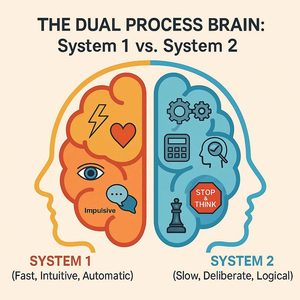
Think of the last time you went shopping with a fixed budget and a clear list, then bought something you hadn’t planned because it looked good in the moment. At home, your slower, logical thinking caught up, and you regretted it.
Your customers are no different. Fast, emotional reactions often shape the decision, and slower reasoning justifies it afterwards. So when a customer is spoken to rudely, kept waiting or treated carelessly, the feeling it leaves weighs heavily on whether they return, however good the product was.
With that in mind, here are the 10 reasons customers don’t come back, and what to do about each.
1. The customer experience creates too much effort
Customers prefer businesses that make things easy. Long waiting times, difficult booking, slow responses, complicated payments or having to repeat information can create enough friction to make customers look elsewhere.
Customers of Nigerian and African businesses often move between WhatsApp, phone calls, social media, physical stores and payment platforms. Every extra step is another reason not to return.
What to do: Map the customer journey and identify where customers experience unnecessary effort.
Tools that can help:
- Zendesk: manages customer support and resolves service issues across channels.
- HubSpot: keeps customer information, sales activity and customer-facing processes in one CRM.
- Dara Consulting: maps your customer journey, identifies friction and connects the experience to what happens after the transaction.
2. You stop communicating after the transaction
Many businesses communicate heavily before a customer buys, then go silent the moment payment is made.
The end of a transaction is not the end of the relationship. Customers can forget a business even after a good experience, especially relationship-driven businesses that depend on WhatsApp, calls and social media.
What to do: Create structured follow-ups based on what the customer bought and when they are likely to need you again.
Tools that can help:
- WhatsApp Business: direct customer communication and follow-up.
- Dara: automates behaviour-based follow-ups, win-back messages and rewards over WhatsApp and email, based on where each customer is in their relationship with your business.
- HubSpot: combines customer data with marketing automation and workflows.
- Klaviyo: automated, behaviour-based marketing messages and win-back campaigns.
Free download: WhatsApp follow-up templates for service businesses
Thank-you, reminder and win-back messages you can send to customers today.
[Get the templates on WhatsApp → link]
3. You assume satisfied customers will automatically return
A satisfied customer is not necessarily a returning customer.
They may forget, get busy, change their routine, discover another business or simply have no immediate reason to buy again. Satisfaction tells you about the experience. It does not guarantee future behaviour.
What to do: Don’t measure satisfaction alone. Track repeat purchases, how often customers return and who has gone inactive, then create relevant reasons for customers to come back.
Tools that can help:
- Dara: shows who returned, who stopped returning and who is becoming a VIP or going inactive, and what should happen next.
- Klaviyo: identifies behavioural segments and runs automated repeat-purchase or win-back journeys.
- Survey and feedback tools: measure satisfaction and collect customer opinions.
- CRM platforms such as HubSpot: track customer history and interactions.
4. You don’t remember or recognise the customer
Customers notice when a business remembers them: their name, preferences, previous purchases or usual behaviour.
Yet many businesses still rely on employees to remember customers. When that employee forgets or leaves, the relationship knowledge leaves too.
What to do: Keep a central customer record that the whole team can use.
Tools that can help:
- HubSpot CRM: centralises customer records, interactions, activities and relationship history.
- Salesforce: suited to more complex, enterprise customer relationship management.
- Dara: keeps each customer’s visits, purchases and preferences in one mobile-friendly record, built for businesses where repeat visits drive revenue.
The difference matters: a CRM tells you who the customer is and what happened. A retention system should also help you decide what should happen next.
5. You don’t give customers a reason to return
A good first experience explains why someone bought from you once. It doesn’t automatically give them a reason to buy again.
Customers need relevant reasons to return: another appointment, a reminder, a new need, a useful recommendation, a reward or simply a convenient next step.
What to do: Build a deliberate post-purchase journey.
Tools that can help:
- Dara: links points, rewards and tiers to each customer’s actual activity, so incentives match behaviour instead of being generic discounts.
- Klaviyo: personalised campaigns, replenishment reminders and win-back automation.
- HubSpot: automated customer journeys and marketing workflows.
The objective is not simply to give discounts. It is to understand what would make this particular customer return.
6. Your experience is inconsistent
A customer may receive excellent service today and a completely different experience next time.
Different employees, branches, processes and channels create inconsistency, and customers experience all of them as one business.
What to do: Define your customer experience standards, train your team and monitor customer feedback.
Tools that can help:
- Zendesk: standardises and manages customer support interactions.
- Training platforms and customer experience academies: build your team’s capability.
- Dara Consulting and Dara Academy: Consulting audits your customer journey to find where the experience breaks; Academy trains your team to deliver it consistently.
Software alone may not be enough here. Sometimes the problem is the system, sometimes it is the people, and sometimes it is both.
7. You don’t act when customers become inactive
Customers rarely announce that they are leaving. They simply stop buying.
A customer who visited every month may disappear for three months. If nobody notices, the business realises too late.
What to do: Define what “inactive” means for your business and monitor customer behaviour. For example, if clients normally return every four weeks, treat six to eight weeks of silence as a warning sign.
Tools that can help:
- CRM systems: track customer activity and history.
- Analytics tools: identify changes in customer behaviour.
- Dara: tracks customer activity and retention health so you can spot customers going inactive and act before they go cold.
- Klaviyo: behavioural segments such as churn risk and win-back opportunities.
Many systems help you manage customers. Dara is designed to help you make sure your customers keep coming back.
8. A competitor becomes more convenient
Customers don’t compare businesses on price alone. They compare convenience, speed, availability, communication, location, payment options and effort.
A competitor doesn’t need to be dramatically better. They only need to be easier.
What to do: Regularly compare your customer journey with the alternatives your customers have.
Tools that can help:
- Customer surveys: discover what customers find difficult.
- Customer analytics platforms: spot changes in how customers behave.
- Dara Consulting: maps your full journey against your customers’ alternatives and identifies where you create friction.
The goal is not to copy competitors. It is to understand why customers choose you, and what could make them stop.
9. You don’t understand why customers leave
When a customer disappears, businesses often guess why: “Maybe we’re too expensive.” “Maybe they didn’t like the service.” “Maybe they found another business.”
Maybe. But without evidence, you don’t know.
What to do: Combine customer feedback with behavioural data. Track complaints, cancellations, purchase frequency, inactivity and customer responses.
Tools that can help:
- Survey platforms: collect direct customer feedback.
- Zendesk: analyses customer service issues and support interactions.
- HubSpot: brings customer data and interactions together.
- Dara: combines customer activity and retention behaviour to show not just what happened, but why, and what to do next.
Data tells you what happened. Customer intelligence helps you understand what it means.
10. You focus more on acquiring customers than retaining them
New customers are easy to notice: you see the advert, the enquiry and the first purchase. Customer loss is usually invisible.
So a business can spend heavily on advertising to bring customers through the front door while quietly losing the ones it already paid to acquire.
It is also the more expensive habit. Acquiring a new customer costs five to 25 times more than retaining an existing one, according to Harvard Business Review, and research by Frederick Reichheld of Bain & Company found that increasing customer retention by 5% can increase profits by 25% to 95%.
What to do: Measure both acquisition and retention. Track repeat purchases, inactive customers, customer lifetime value and referrals, not just new customers.
Tools that can help:
- Dara: brings customer records, retention journeys, communication, rewards and customer health into one system.
- CRM platforms such as HubSpot: manage customer relationships across sales and marketing.
- Marketing automation platforms such as Klaviyo: turn customer data into personalised retention and win-back campaigns.
- Loyalty platforms: rewards and repeat-purchase incentives.
- CX consultants: diagnose deeper experience problems.
Frequently asked questions
Why don’t customers come back after a good experience?
A good experience explains why a customer came once, not why they should return. Customers forget, get busy or find a more convenient option. Without follow-up and a reason to return, even satisfied customers drift away. Satisfaction describes the past; follow-up shapes what they do next.
How do I get customers to come back?
Keep a record of every customer and follow up based on what they bought and when they are likely to need you again. Make returning easy, recognise returning customers, and give each one a relevant reason to come back, such as a reminder, a recommendation or a reward. Then track who returns and who doesn’t.
When is a customer considered inactive?
It depends on how often your customers normally buy. If a salon client usually visits every four weeks, six to eight weeks without a visit is a warning sign. Work out your customers’ usual gap between visits, then treat a customer as inactive when they have gone well past it, and contact them before they go completely cold.
Is it cheaper to keep customers than to find new ones?
Usually, yes. According to Harvard Business Review, acquiring a new customer costs five to 25 times more than retaining an existing one, and research by Frederick Reichheld of Bain & Company found that increasing retention by 5% can increase profits by 25% to 95%. Returning customers also cost less to serve and are more likely to refer others.
How do I calculate my customer retention rate?
Use this formula: ((customers at the end of the period − new customers gained during the period) ÷ customers at the start) × 100. For example, if you start a quarter with 200 customers, gain 50 new ones and end with 180, your retention rate is ((180 − 50) ÷ 200) × 100 = 65%.
Should I use discounts to bring customers back?
Use them sparingly. Regular discounts train customers to wait for offers and eat into your margins. Relevant reasons to return usually work better: a timely reminder, recognition for loyal customers, a reward for coming back or a new service matched to what they bought before. When you do discount, target inactive customers rather than everyone.
How do I follow up with customers without annoying them?
Make every message useful to that specific customer: a reminder when they are due, a thank-you after their visit, or an update related to what they bought. Avoid generic weekly broadcasts. Personalise each message, keep it short and let customers opt out.
What is the difference between a CRM and a customer retention system?
A CRM records who your customers are and what happened with them. A retention system uses that information to decide what should happen next: it spots who is becoming inactive, triggers follow-ups and rewards at the right moment, and shows whether customers are coming back.
Conclusion: build a system that brings customers back
Customers rarely leave in one dramatic moment. They drift away because returning takes effort, nobody follows up, nobody notices they have gone quiet, or a competitor is simply easier. None of these ten reasons is fixed by working harder at the first sale. They are fixed by deliberately managing what happens after it.
Start with one step this week: list the customers who have not returned in the last 60 to 90 days, and message each of them personally. Then turn it into a habit your business doesn’t have to remember.
A CRM manages customer information. A marketing platform sends messages. A loyalty program rewards. A consultant diagnoses problems, and training builds your team. Retention happens when these parts are connected. That is what Dara was built for: Dara’s technology tracks your customers, flags those going inactive and automates follow-ups and rewards over WhatsApp and email; Dara Consulting maps and fixes your customer journey; and Dara Academy trains your team to deliver a consistent experience.
Don’t just acquire customers. Build a system that gives them reasons to come back.
Losing customers after the first visit?
Book a free 20-minute retention audit and we’ll show you where customers are dropping off.
[Book my free audit → link]